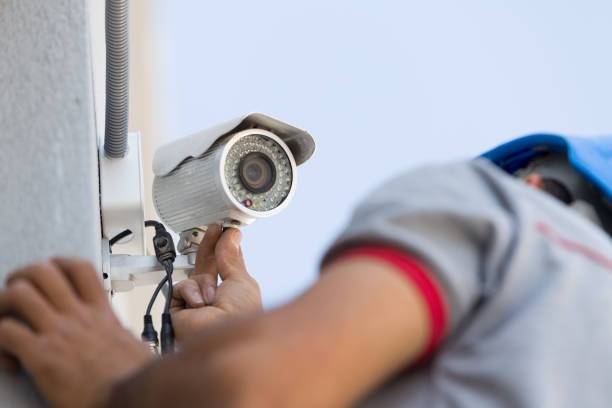
Security Camera Installation: A Guide to Effective Surveillance Solutions
A reliable surveillance system begins with proper security camera installation. Whether for residential, commercial, or industrial properties, professionally installed security cameras help monitor activities, deter unauthorised access, and support overall property protection. Careful planning, correct camera placement, and system integration all contribute to the effectiveness of a surveillance solution.
Choosing an installation approach that matches the property’s layout and security requirements helps maximise coverage and long-term performance.
Why Professional Installation Matters
Installing security cameras involves more than simply mounting devices on walls or ceilings. Factors such as camera positioning, viewing angles, lighting conditions, network connectivity, and storage configuration all influence the quality of surveillance.
Property owners interested in security camera installation can work with experienced professionals to design and implement surveillance systems tailored to their security needs. A well-planned installation helps minimise blind spots and ensures cameras operate efficiently.
Professional setup also supports easier system maintenance and future expansion.
Key Features of Modern Security Camera Systems
Today’s surveillance systems offer a range of advanced features designed to improve monitoring capabilities. These may include high-definition video recording, infrared night vision, motion detection, remote viewing through mobile devices, weather-resistant cameras, and cloud or local video storage.
A security camera installation can also be integrated with access control systems, alarm systems, and central monitoring platforms to create a more comprehensive security solution. Selecting features that align with the property’s requirements helps optimise system performance.
Technology should be chosen based on practical security objectives rather than unnecessary complexity.
Best Practices for Camera Placement
Effective camera placement is essential for achieving comprehensive surveillance coverage. Common locations include entrances, exits, driveways, parking areas, reception spaces, warehouses, and other high-traffic or restricted-access areas.
Professional installers assess the property’s layout to determine the most suitable camera locations while considering lighting conditions and potential obstructions. Proper positioning improves image quality and increases the effectiveness of the surveillance system.
Routine inspections also help ensure cameras continue to perform as intended.
Maintaining Your Surveillance System
Regular maintenance is important for preserving the reliability of a security camera system. Cleaning camera lenses, checking network connections, testing recording functions, and updating system software all contribute to consistent performance.
Preventive maintenance helps identify potential issues before they affect surveillance capabilities and extends the lifespan of installed equipment.
Conclusion
Security camera installation is a key component of an effective property security strategy. By choosing professional installation, selecting suitable camera features, and maintaining the system regularly, homeowners and businesses can improve surveillance coverage, strengthen security, and support long-term operational reliability.
Leave a Reply