Chemical Products Supplier Malaysia: What Businesses Should Consider
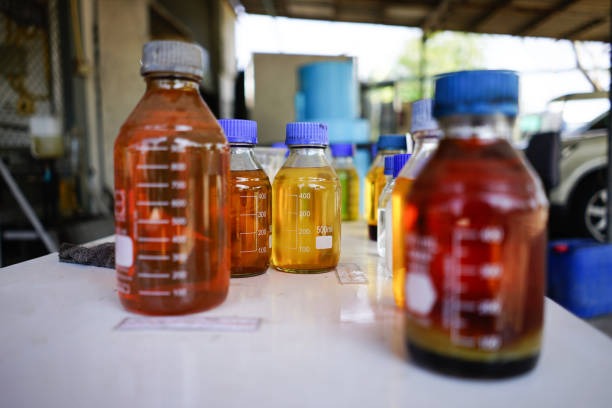
Chemicals are essential inputs across many industries, including manufacturing, construction, coatings, plastics, cleaning, agriculture and industrial processing. Choosing a reliable chemical products supplier malaysia is therefore an important procurement decision for businesses that depend on consistent materials for their daily operations.
The right supplier should offer more than product availability. Buyers should also evaluate product specifications, quality consistency, documentation, technical knowledge, delivery capabilities and communication before establishing a long-term supply relationship.
Start with Your Chemical Requirements
Businesses should clearly identify their requirements before approaching potential suppliers. Important details may include chemical type, grade, concentration, quantity, packaging format and intended industrial application.
Companies evaluating a chemical products supplier malaysia should provide accurate specifications when requesting information or quotations. Clear requirements make it easier for the supplier to determine whether an available product is appropriate for the intended application.
Where chemicals form part of a production process, consistency between batches may also be an important purchasing consideration.
Review Product Range and Availability
Industrial buyers may require multiple chemical products rather than a single material. Working with a supplier offering a relevant product portfolio can simplify procurement, particularly when several materials are regularly required.
Availability should also be discussed. Some products may be maintained as local stock, while others could require additional lead time. Businesses should understand expected delivery schedules and consider maintaining appropriate inventory for materials that are critical to production.
Check Technical Documentation
Documentation is an important consideration when selecting a chemical products supplier malaysia. Depending on the chemical and application, buyers may need safety data sheets, technical specifications or other product information.
These documents can provide details about composition, properties, handling, storage and relevant safety considerations. Procurement and technical teams should review the available information before introducing a new material into an existing process.
Consider Quality and Consistency
Chemical performance can influence production efficiency and finished-product characteristics. Businesses should therefore establish the specifications that supplied materials are expected to meet.
Where relevant, buyers can ask how product quality and consistency are managed. Incoming materials may also need to follow the organisation’s own inspection or quality-control procedures before being used in production.
Evaluate Storage and Handling Requirements
Different chemicals can have different storage, transportation and handling requirements. Businesses should understand these requirements before placing an order, particularly when dealing with substances requiring specific environmental or safety controls.
Suitable containers, clear labelling and appropriate storage areas can contribute to safer material management. Employees responsible for handling chemicals should also follow workplace procedures and applicable safety requirements.
Assess Logistics and Supply Reliability
Reliable delivery can be particularly important when chemicals are essential to continuous manufacturing. Delayed materials can affect production schedules and inventory planning.
Businesses should discuss order quantities, delivery areas, typical lead times and procedures for urgent requirements. Supply planning may also include identifying appropriate stock levels for frequently used materials.
Look for Technical and Customer Support
Effective communication can make procurement easier when specifications, applications or delivery requirements need clarification. A supplier with relevant technical knowledge may also assist customers in understanding product information and available options.
However, businesses remain responsible for confirming whether a chemical is appropriate for their specific processes and regulatory requirements.
Conclusion
Selecting a chemical products supplier malaysia requires careful consideration of product range, technical documentation, quality, logistics, storage requirements and customer support. Rather than focusing solely on price, businesses should evaluate how reliably a supplier can support their operational requirements. A structured sourcing process can help organisations
Leave a Reply