Smecta Sachet: What to Know Before Using It
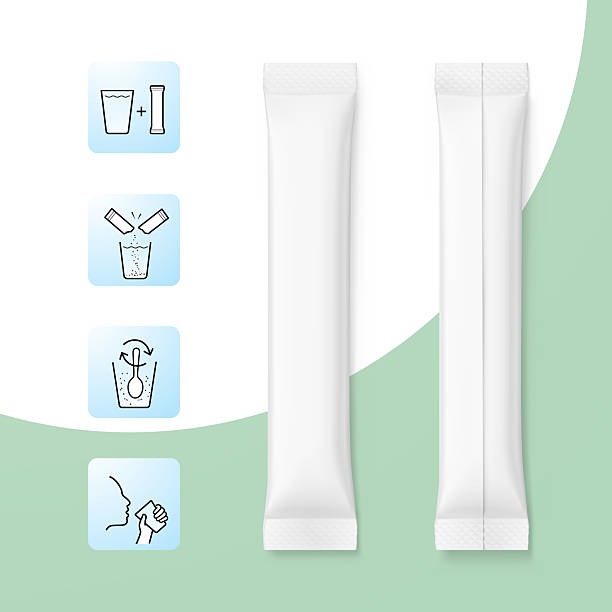
Diarrhoea can occur for many reasons, including gastrointestinal infections, dietary changes and other digestive disturbances. A smecta sachet contains diosmectite, an intestinal adsorbent used in the management of diarrhoea in certain circumstances. It acts locally within the digestive tract and should be used according to the product instructions or advice from a healthcare professional.
While medicines may help manage symptoms, diarrhoea can also cause significant fluid and electrolyte loss. Appropriate hydration therefore remains an important part of managing the condition.
What Is a Smecta Sachet?
Diosmectite is a natural clay with adsorbent properties. Products containing it are generally supplied as a powder that is prepared for oral administration. The exact directions, recommended amount and suitability can vary according to factors such as age and individual circumstances.
Anyone considering a smecta sachet should read the official product information carefully before use. The instructions can provide important details about preparation, recommended use and precautions that may apply to particular groups.
How Is It Prepared?
Because the product is supplied in individual sachets, the contents typically need to be mixed as directed before consumption. Users should follow the preparation instructions provided with the specific product rather than estimating the amount of liquid or changing the recommended method.
The appropriate dosage and frequency should also be taken directly from the current product information or a qualified healthcare professional. Avoid taking more than recommended in an attempt to stop diarrhoea more quickly.
Hydration Is Still Essential
Taking a smecta sachet does not replace fluids and electrolytes lost through frequent watery stools. Maintaining adequate hydration is particularly important for children, older adults and anyone experiencing repeated diarrhoea.
Oral rehydration solutions can help replace both water and electrolytes when appropriate. If someone cannot keep fluids down, has substantially reduced urination or develops other signs of dehydration, medical assessment may be required.
Consider Other Medicines
Adsorbent products can potentially interfere with the absorption of other medicines taken orally. People using prescription or over-the-counter medication should check the product leaflet or ask a pharmacist about whether doses need to be separated.
Pregnant or breastfeeding individuals, people with existing health conditions and caregivers considering treatment for children should also check whether professional advice is recommended before use.
When Is Medical Attention Needed?
Diarrhoea does not always require medical treatment, but certain symptoms should not be ignored. Seek medical advice when diarrhoea is persistent or severe, or when it occurs alongside blood in the stool, significant abdominal pain, repeated vomiting or a concerning fever.
Signs of dehydration, including dizziness, unusual weakness, dry mouth or very low urine output, also require attention. Babies and other vulnerable individuals may need earlier professional assessment.
Supporting Recovery
Alongside appropriate treatment and hydration, individuals can eat according to their appetite and tolerance. Foods that noticeably worsen digestive symptoms can be temporarily avoided.
Regular handwashing and appropriate food hygiene are also useful, particularly when an infectious cause of diarrhoea is possible.
Conclusion
A smecta sachet containing diosmectite may be used as part of diarrhoea management when appropriate. Correct preparation, adherence to the recommended dosage and adequate hydration are important considerations. Users should follow current product instructions and seek professional medical advice when symptoms are severe, prolonged or accompanied by signs of dehydration or other concerning symptoms.
Leave a Reply