Blog

  • Private Equity Litigation Law Firm Malaysia: Dispute Guidance

    Private Equity Litigation Law Firm Malaysia: Dispute Guidance

    Private Equity Litigation Law Firm Malaysia: Navigating Complex Investment Disputes

    Private equity investments can involve sophisticated corporate structures, shareholder agreements, financing arrangements and significant commercial interests. When disagreements arise, a private equity litigation law firm malaysia can assist investors, shareholders, portfolio companies and other parties in assessing their legal positions and determining suitable dispute resolution strategies.

    Private equity disputes can become complex because they often combine contractual, corporate and financial issues. Early legal advice may help the parties understand relevant agreements, preserve evidence and evaluate whether negotiation or formal litigation is appropriate.

    Common Private Equity Disputes

    Conflicts may develop at different stages of an investment. Issues can involve shareholder rights, investment agreements, corporate governance, management decisions, share transfers, exit arrangements, representations or alleged breaches of contractual obligations.

    Parties seeking a private equity litigation law firm malaysia may require legal assistance reviewing the underlying transaction, identifying disputed obligations and understanding possible remedies under applicable Malaysian law.

    The appropriate approach will depend on the contractual framework and specific facts surrounding the dispute.

    Shareholder and Governance Conflicts

    Private equity investors may hold substantial or minority interests in portfolio companies. Disagreements can therefore arise concerning voting rights, board representation, reserved matters, access to information or the strategic direction of the business.

    Corporate documents such as shareholder agreements, company constitutions, board resolutions and investment agreements can be particularly important when assessing these disputes. Lawyers may review such documents alongside correspondence, financial records and other supporting evidence.

    Resolving Investment Disputes

    Not every private equity disagreement needs to result in prolonged court proceedings. Depending on the contractual arrangements and circumstances, parties may explore negotiation or other agreed dispute resolution procedures.

    A private equity litigation law firm malaysia can advise clients during negotiations, assess proposed settlements and explain the potential legal consequences of different outcomes. A commercial resolution may sometimes allow the parties to protect value while reducing disruption to ongoing business operations.

    When Litigation May Become Necessary

    Formal proceedings may be required when negotiations fail or when a party seeks specific legal remedies. Litigation may involve allegations concerning breaches of agreements, shareholder rights, directors’ duties or other corporate matters.

    Lawyers can assist with preparing legal documents, evaluating evidence and representing clients throughout relevant proceedings. Because private equity disputes may involve multiple agreements and parties, developing a clear understanding of the transaction structure is often an important part of case preparation.

    Choosing Legal Representation

    When selecting legal representation for a private equity dispute, clients should consider experience in corporate litigation, shareholder disputes and complex commercial matters. Familiarity with investment structures and corporate governance can also be relevant.

    Clients should provide complete transaction documents and discuss potential strategies, costs, timelines and dispute resolution options with their legal advisers before proceeding.

    Conclusion

    A private equity litigation law firm malaysia can provide legal support for disputes involving investments, shareholders, governance and contractual obligations. Through detailed document review, strategic advice, negotiation and litigation where necessary, legal advisers can help investors and companies navigate complex private equity conflicts while understanding the legal and commercial implications of available options.

  • Engineering Course: Building a Foundation for University Study

    Engineering Course: Building a Foundation for University Study

    Engineering Course: Building the Foundations for Future Study

    Engineering combines scientific principles, mathematics and practical problem-solving to address technical challenges across many industries. For students considering this academic pathway, an engineering course at foundation level can provide structured preparation before progressing to more specialised university studies.

    Foundation programmes can be particularly useful for students transitioning from secondary education to degree-level learning. They typically focus on strengthening core academic knowledge while developing analytical, communication and independent study skills relevant to higher education.

    What Does an Engineering Foundation Programme Cover?

    A foundation programme is designed to establish knowledge that students can apply during later engineering studies. Mathematics and physics are commonly important components because these subjects underpin areas such as mechanics, electronics, structures and other technical disciplines.

    Students exploring an engineering course can review the programme structure, modules, entry requirements and progression opportunities before applying. Understanding the curriculum can help prospective students determine whether the pathway aligns with their academic background and longer-term goals.

    Programme details can change, so applicants should always check current information directly with the university.

    Developing Strong Mathematics Skills

    Mathematics is central to many branches of engineering. Engineers use mathematical methods to describe systems, analyse data, evaluate designs and solve quantitative problems.

    Foundation-level study can help students strengthen their understanding of relevant mathematical concepts before encountering more advanced applications at degree level. Regular practice is important because later topics frequently build on concepts introduced earlier.

    Students who find particular areas challenging may benefit from seeking academic support early rather than allowing gaps in understanding to accumulate.

    Understanding Physics and Engineering Principles

    Physics provides another important foundation for engineering. Concepts involving forces, motion, energy, electricity and materials can help students understand how physical systems behave.

    An engineering course may introduce these ideas in ways that prepare students for more specialised study. Rather than simply memorising equations, learners can focus on understanding when particular principles apply and how they can be used to solve unfamiliar problems.

    This analytical approach becomes increasingly valuable as engineering studies progress.

    Strengthening Problem-Solving Abilities

    Engineering frequently involves working with problems that do not have an immediately obvious solution. Students may need to identify relevant information, make appropriate assumptions, perform calculations and evaluate whether their results are reasonable.

    Foundation study provides an opportunity to develop these habits within a structured academic environment. Learning from incorrect approaches can also be useful because reviewing errors helps students improve their reasoning processes.

    Building Independent Study Skills

    University education generally requires greater independence than secondary school. Students need to manage deadlines, review material outside scheduled classes and prepare for assessments consistently.

    Creating a weekly study routine can make the transition easier. Allocating time for lectures, exercises, revision and additional reading helps prevent coursework from becoming concentrated immediately before examinations.

    Exploring Future Engineering Pathways

    Engineering includes numerous disciplines, such as mechanical, electrical, electronic, civil and aerospace engineering. Students do not always need to have every future decision finalised before beginning foundation studies.

    Instead, the foundation year can help learners develop core knowledge while researching the degree pathways available for subsequent study.

    Consider Entry and Progression Requirements

    Before applying, students should review academic entry criteria, English-language requirements where applicable, programme duration and conditions for progression. Tuition fees and other study-related expenses should also be considered when planning university education.

    Conclusion

    An engineering course at foundation level can provide preparation in mathematics, physics, analytical thinking and independent learning before degree-level engineering study. Students should compare programme content, entry requirements and progression routes carefully when selecting a pathway. Building strong academic foundations can help learners approach later engineering subjects with greater knowledge, discipline and confidence.

  • Tyre Shop Subang Jaya: Guide to Choosing Tyres and Services

    Tyre Shop Subang Jaya: Guide to Choosing Tyres and Services

    Tyre Shop Subang Jaya: A Practical Guide for Motorists

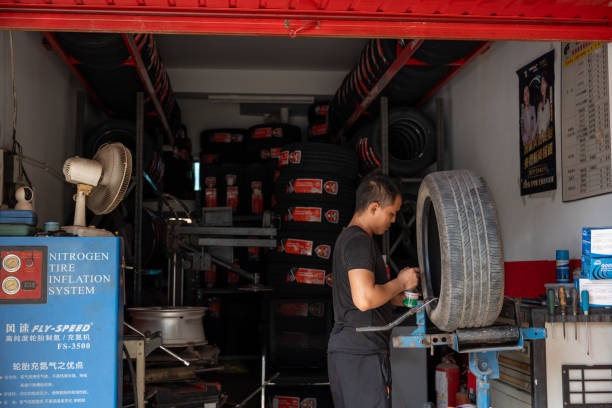
    Tyres play an important role in vehicle handling, braking and overall driving performance. Whether replacing worn tyres or checking an existing set, choosing a suitable tyre shop Subang Jaya can help motorists access appropriate products and professional tyre-related services for their vehicles.

    The right choice should involve more than comparing prices. Tyre specifications, installation quality, available services and maintenance advice are all useful considerations when selecting a shop or authorised dealer.

    Start with the Correct Tyre Size

    Every vehicle is designed to operate with tyres that meet specified dimensions and performance requirements. Information such as tyre width, aspect ratio and wheel diameter is usually displayed on the tyre sidewall. Vehicle documentation may also provide recommended specifications.

    Motorists searching for a tyre shop Subang Jaya can use a dealer locator to identify relevant outlets and then confirm product availability directly with the selected location. Providing the vehicle model and required tyre specifications can make the enquiry more efficient.

    Drivers should avoid choosing tyres based solely on appearance or price without considering vehicle requirements.

    Check Tread and Overall Tyre Condition

    Tyre tread gradually wears down through normal driving. Regular inspections can help motorists identify excessive wear, cuts, bulges, embedded objects or other visible abnormalities.

    Uneven tread wear may indicate issues that deserve further investigation. For example, wheel alignment, inflation pressure, suspension condition and driving habits can influence how tyres wear over time.

    If a tyre shows significant damage or unusual deterioration, professional inspection can help determine whether replacement is appropriate.

    Ask About Wheel Alignment

    Wheel alignment relates to the angles at which the wheels are positioned. Incorrect alignment can contribute to uneven tyre wear and may affect how the vehicle behaves on the road.

    A tyre shop Subang Jaya offering alignment services can inspect the vehicle using appropriate equipment and make adjustments where required. Alignment may be worth checking when installing new tyres or when uneven wear and steering irregularities are noticed.

    The necessary adjustment depends on the vehicle and its condition.

    Understand Wheel Balancing

    Balancing helps distribute weight appropriately around the tyre and wheel assembly. An imbalance can sometimes produce vibration, particularly at certain driving speeds.

    When new tyres are installed, balancing is commonly performed as part of the fitting process. Motorists can ask what services are included in the quoted installation price before approving the work.

    Compare Tyres Based on Driving Needs

    Different tyre models can be designed with different priorities. Daily urban driving, frequent highway travel and other driving environments may influence which tyre characteristics are most relevant.

    Motorists can discuss typical mileage, road conditions and vehicle use with a dealer. Product specifications supplied by the tyre manufacturer can also provide information for comparing available options.

    Maintain Appropriate Tyre Pressure

    Correct inflation is important after leaving the tyre shop as well. Drivers should check tyre pressure periodically according to their vehicle manufacturer’s recommendations, preferably when the tyres are appropriately cool.

    Pressure that is consistently too high or too low can affect tyre wear and vehicle behaviour.

    Ask About Services and Product Support

    Before visiting a shop, motorists can confirm operating hours, tyre availability, installation charges and whether services such as balancing or alignment are offered. Asking about applicable product support or warranty conditions can also prevent misunderstandings later.

    Conclusion

    Choosing a tyre shop Subang Jaya involves considering tyre selection, installation, balancing, alignment and ongoing maintenance support. Motorists should begin with the specifications recommended for their vehicle and inspect tyre condition regularly. By using dealer information and confirming services before visiting, drivers can make a more informed choice when replacing or maintaining their tyres.

  • Beyoura: Explore a Modern Approach to Beauty and Personal Care

    Beyoura: Explore a Modern Approach to Beauty and Personal Care

    Beyoura: A Practical Approach to Beauty and Personal Care

    Beauty and personal care routines are highly individual. Differences in skin type, lifestyle, personal preferences and everyday concerns can influence which products someone chooses and how they incorporate them into a routine. Beyoura provides an online destination for consumers interested in exploring beauty and personal care products suited to their individual needs.

    Rather than selecting products based solely on trends, consumers can benefit from understanding product purpose, ingredients, usage instructions and compatibility with their existing routine. A considered approach can make beauty and personal care simpler and easier to manage over time.

    Start by Understanding Your Personal Needs

    Before adding a new product, it is useful to identify what you actually want from your routine. Someone with dry skin, for example, may have different priorities from a person concerned about excess oil or maintaining a simple everyday regimen.

    Consumers exploring Beyoura can review available product information according to their personal beauty and care priorities. Looking at intended use and instructions before purchasing can help determine how a particular product may fit into an existing routine.

    Individual responses can vary, so a product that works well for one person may not necessarily provide the same experience for another.

    Pay Attention to Product Information

    Labels and online product descriptions provide useful information when comparing beauty products. Depending on the item, consumers may be able to review ingredients, directions, precautions, size and recommended usage.

    Ingredient lists can be particularly useful for people who already know that certain substances cause sensitivity. However, the presence of a popular ingredient does not automatically mean a product is suitable for every skin type.

    Following the manufacturer’s directions is generally preferable to using excessive amounts or combining multiple products without considering how they interact.

    Keep Your Routine Manageable

    A beauty routine does not necessarily need many steps. Cleansing, moisturising and appropriate sun protection can form a straightforward foundation for skincare, while additional products can be introduced according to individual requirements.

    When trying something new from Beyoura, introducing one product at a time may make it easier to observe how it fits into the routine. This approach can also help identify which product may be responsible if irritation or discomfort develops.

    Consistency can be more practical than frequently changing products based on short-term trends.

    Consider Skin Sensitivity

    Cosmetic products can occasionally cause irritation, particularly when they contain ingredients that are unfamiliar to the user or when several active products are combined.

    Following patch-testing guidance where appropriate can help users assess compatibility before wider application. If persistent redness, swelling, itching or significant discomfort occurs, stop using the suspected product and consider seeking professional advice.

    People with existing dermatological conditions may also benefit from consulting a qualified healthcare professional before introducing unfamiliar active ingredients.

    Store Products Correctly

    Storage can affect product quality. Cosmetics and personal care products should generally be kept according to the instructions on their packaging, with unnecessary exposure to excessive heat, moisture or direct sunlight avoided.

    Consumers should also pay attention to expiry information and recommended periods of use after opening. Applicators and containers should be kept clean to support good hygiene.

    Make Informed Purchasing Decisions

    Before purchasing, consider whether a product addresses an actual need in the current routine. Product size, intended frequency of use and compatibility with existing products can all influence value and practicality.

    Reading usage information beforehand can also reduce the likelihood of buying multiple products that perform essentially the same role.

    Conclusion

    Beyoura offers consumers a way to explore beauty and personal care products while building routines around individual preferences and needs. Reviewing ingredients, instructions, suitability and storage information can support more informed choices. A simple, consistent approach to personal care can often be easier to maintain than continuously adding products without a clear purpose.

  • Chemical Products Supplier Malaysia: A Business Sourcing Guide

    Chemical Products Supplier Malaysia: A Business Sourcing Guide

    Chemical Products Supplier Malaysia: What Businesses Should Consider

    Chemicals are essential inputs across many industries, including manufacturing, construction, coatings, plastics, cleaning, agriculture and industrial processing. Choosing a reliable chemical products supplier malaysia is therefore an important procurement decision for businesses that depend on consistent materials for their daily operations.

    The right supplier should offer more than product availability. Buyers should also evaluate product specifications, quality consistency, documentation, technical knowledge, delivery capabilities and communication before establishing a long-term supply relationship.

    Start with Your Chemical Requirements

    Businesses should clearly identify their requirements before approaching potential suppliers. Important details may include chemical type, grade, concentration, quantity, packaging format and intended industrial application.

    Companies evaluating a chemical products supplier malaysia should provide accurate specifications when requesting information or quotations. Clear requirements make it easier for the supplier to determine whether an available product is appropriate for the intended application.

    Where chemicals form part of a production process, consistency between batches may also be an important purchasing consideration.

    Review Product Range and Availability

    Industrial buyers may require multiple chemical products rather than a single material. Working with a supplier offering a relevant product portfolio can simplify procurement, particularly when several materials are regularly required.

    Availability should also be discussed. Some products may be maintained as local stock, while others could require additional lead time. Businesses should understand expected delivery schedules and consider maintaining appropriate inventory for materials that are critical to production.

    Check Technical Documentation

    Documentation is an important consideration when selecting a chemical products supplier malaysia. Depending on the chemical and application, buyers may need safety data sheets, technical specifications or other product information.

    These documents can provide details about composition, properties, handling, storage and relevant safety considerations. Procurement and technical teams should review the available information before introducing a new material into an existing process.

    Consider Quality and Consistency

    Chemical performance can influence production efficiency and finished-product characteristics. Businesses should therefore establish the specifications that supplied materials are expected to meet.

    Where relevant, buyers can ask how product quality and consistency are managed. Incoming materials may also need to follow the organisation’s own inspection or quality-control procedures before being used in production.

    Evaluate Storage and Handling Requirements

    Different chemicals can have different storage, transportation and handling requirements. Businesses should understand these requirements before placing an order, particularly when dealing with substances requiring specific environmental or safety controls.

    Suitable containers, clear labelling and appropriate storage areas can contribute to safer material management. Employees responsible for handling chemicals should also follow workplace procedures and applicable safety requirements.

    Assess Logistics and Supply Reliability

    Reliable delivery can be particularly important when chemicals are essential to continuous manufacturing. Delayed materials can affect production schedules and inventory planning.

    Businesses should discuss order quantities, delivery areas, typical lead times and procedures for urgent requirements. Supply planning may also include identifying appropriate stock levels for frequently used materials.

    Look for Technical and Customer Support

    Effective communication can make procurement easier when specifications, applications or delivery requirements need clarification. A supplier with relevant technical knowledge may also assist customers in understanding product information and available options.

    However, businesses remain responsible for confirming whether a chemical is appropriate for their specific processes and regulatory requirements.

    Conclusion

    Selecting a chemical products supplier malaysia requires careful consideration of product range, technical documentation, quality, logistics, storage requirements and customer support. Rather than focusing solely on price, businesses should evaluate how reliably a supplier can support their operational requirements. A structured sourcing process can help organisations

  • Custom Cutting Tools Malaysia: Precision Manufacturing Guide

    Custom Cutting Tools Malaysia: Precision Manufacturing Guide

    Custom Cutting Tools Malaysia: Solutions for Specialised Machining Needs

    Manufacturing operations often require cutting tools that can deliver consistent dimensions, suitable surface finishes and efficient machining performance. While standard tools are sufficient for many applications, specialised components or production processes may require custom cutting tools malaysia to address specific geometries, materials, tolerances or production requirements.

    Customised tooling can be designed around a particular machining operation instead of requiring manufacturers to adapt their processes to an existing standard tool. Understanding the application, machine conditions and workpiece material is therefore an important starting point when developing a suitable cutting solution.

    What Are Custom Cutting Tools?

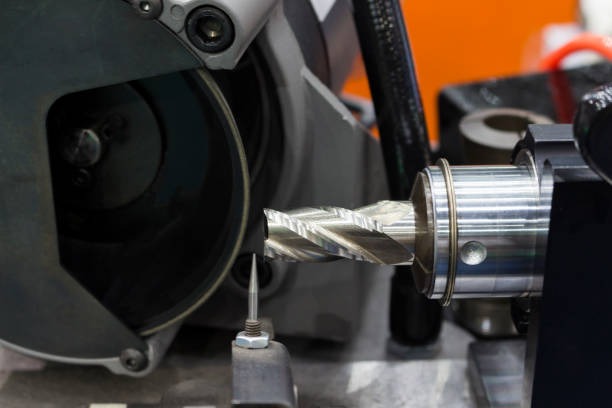
    Custom cutting tools are manufactured according to specifications developed for a particular machining requirement. Depending on the application, these can include specially designed drills, milling cutters, reamers, form tools and other precision tooling.

    Manufacturers exploring custom cutting tools malaysia should first identify the machining challenge they need to address. Information such as component drawings, material type, dimensional tolerances, machine specifications and expected production volume can help determine an appropriate tool design.

    Why Consider Customised Tooling?

    Standard cutting tools are widely available and often practical for general machining. However, certain components involve unusual profiles, multiple machining steps or demanding dimensional requirements that may benefit from specialised tooling.

    A custom tool may be designed to perform a specific operation or combine processes that would otherwise require multiple standard tools. Depending on the application, this approach can simplify machining sequences and reduce unnecessary tool changes.

    The potential benefits should always be considered alongside tooling cost, expected production volume and maintenance requirements.

    Workpiece Material Matters

    Selecting custom cutting tools malaysia involves understanding the material being machined. Aluminium, stainless steel, hardened steel and other engineering materials have different cutting characteristics and can require different tool geometries or cutting conditions.

    Tool material and coating selection may also affect wear resistance and machining performance. Rather than selecting these features independently, manufacturers should consider them together with cutting speed, feed rate, coolant conditions and machine capabilities.

    Precision and Tool Design

    Tool geometry can influence dimensional accuracy, chip evacuation, cutting forces and surface quality. Custom designs should therefore be based on clearly defined specifications and realistic manufacturing tolerances.

    Providing accurate component drawings and machining information can improve communication between the manufacturer and tooling supplier. Where tolerances are particularly demanding, inspection requirements should also be discussed before production begins.

    Tool Life and Production Efficiency

    Tool life is an important consideration in production environments because frequent replacement can increase downtime and operating costs. However, tool life depends on several variables, including workpiece material, cutting parameters, machine stability and maintenance practices.

    Manufacturers should monitor actual tool performance instead of assuming that customised tooling will automatically last longer. Production data can help determine whether adjustments to cutting parameters or tool specifications are required.

    Choosing a Cutting Tool Supplier

    A suitable supplier should be able to understand the machining application and discuss relevant technical requirements. Businesses can evaluate engineering capabilities, available tooling options, quality processes and after-sales support.

    Clear communication is especially important for custom projects because specifications may need refinement before the final tool is manufactured.

    Conclusion

    custom cutting tools malaysia can provide manufacturers with tooling designed around specialised machining operations and component requirements. Successful implementation depends on accurate specifications, appropriate tool materials, suitable geometry and realistic production objectives. By evaluating the complete machining process and working closely with a capable tooling supplier, manufacturers can develop solutions aligned with their precision, productivity and operational requirements.

  • Smecta Sachet: Uses, Preparation and Key Precautions

    Smecta Sachet: Uses, Preparation and Key Precautions

    Smecta Sachet: What to Know Before Using It

    Diarrhoea can occur for many reasons, including gastrointestinal infections, dietary changes and other digestive disturbances. A smecta sachet contains diosmectite, an intestinal adsorbent used in the management of diarrhoea in certain circumstances. It acts locally within the digestive tract and should be used according to the product instructions or advice from a healthcare professional.

    While medicines may help manage symptoms, diarrhoea can also cause significant fluid and electrolyte loss. Appropriate hydration therefore remains an important part of managing the condition.

    What Is a Smecta Sachet?

    Diosmectite is a natural clay with adsorbent properties. Products containing it are generally supplied as a powder that is prepared for oral administration. The exact directions, recommended amount and suitability can vary according to factors such as age and individual circumstances.

    Anyone considering a smecta sachet should read the official product information carefully before use. The instructions can provide important details about preparation, recommended use and precautions that may apply to particular groups.

    How Is It Prepared?

    Because the product is supplied in individual sachets, the contents typically need to be mixed as directed before consumption. Users should follow the preparation instructions provided with the specific product rather than estimating the amount of liquid or changing the recommended method.

    The appropriate dosage and frequency should also be taken directly from the current product information or a qualified healthcare professional. Avoid taking more than recommended in an attempt to stop diarrhoea more quickly.

    Hydration Is Still Essential

    Taking a smecta sachet does not replace fluids and electrolytes lost through frequent watery stools. Maintaining adequate hydration is particularly important for children, older adults and anyone experiencing repeated diarrhoea.

    Oral rehydration solutions can help replace both water and electrolytes when appropriate. If someone cannot keep fluids down, has substantially reduced urination or develops other signs of dehydration, medical assessment may be required.

    Consider Other Medicines

    Adsorbent products can potentially interfere with the absorption of other medicines taken orally. People using prescription or over-the-counter medication should check the product leaflet or ask a pharmacist about whether doses need to be separated.

    Pregnant or breastfeeding individuals, people with existing health conditions and caregivers considering treatment for children should also check whether professional advice is recommended before use.

    When Is Medical Attention Needed?

    Diarrhoea does not always require medical treatment, but certain symptoms should not be ignored. Seek medical advice when diarrhoea is persistent or severe, or when it occurs alongside blood in the stool, significant abdominal pain, repeated vomiting or a concerning fever.

    Signs of dehydration, including dizziness, unusual weakness, dry mouth or very low urine output, also require attention. Babies and other vulnerable individuals may need earlier professional assessment.

    Supporting Recovery

    Alongside appropriate treatment and hydration, individuals can eat according to their appetite and tolerance. Foods that noticeably worsen digestive symptoms can be temporarily avoided.

    Regular handwashing and appropriate food hygiene are also useful, particularly when an infectious cause of diarrhoea is possible.

    Conclusion

    A smecta sachet containing diosmectite may be used as part of diarrhoea management when appropriate. Correct preparation, adherence to the recommended dosage and adequate hydration are important considerations. Users should follow current product instructions and seek professional medical advice when symptoms are severe, prolonged or accompanied by signs of dehydration or other concerning symptoms.

  • Valuable Items Insurance Coverage: Protecting High-Value Assets

    Valuable Items Insurance Coverage: Protecting High-Value Assets

    Valuable Items Insurance Coverage: Protecting High-Value Assets

    High-value assets require specialised protection to help manage financial risks arising from unexpected events. Whether you own a jewellery business, deal in precious metals, or maintain a valuable collection, understanding valuable items insurance coverage is an important part of protecting your investments. A suitable insurance policy can provide financial support for covered losses while complementing broader risk management practices.

    Because valuable items often carry significant monetary and sentimental value, selecting appropriate insurance coverage helps provide greater confidence when storing, displaying, or transporting these assets.

    What Is Valuable Items Insurance Coverage?

    Valuable items insurance coverage is designed to protect specified high-value property against risks outlined in the insurance policy. Depending on the plan, coverage may apply to jewellery, gemstones, watches, precious metals, and other eligible valuables, subject to the policy’s terms, conditions, exclusions, and coverage limits.

    Businesses and individuals interested in valuable items insurance coverage can explore specialised insurance solutions that address the unique protection needs of valuable assets, particularly within the jewellery industry.

    Why Specialised Insurance Is Important

    Standard insurance policies may not provide adequate protection for high-value items due to coverage limitations or exclusions. Specialised insurance is developed to address the specific risks associated with valuable assets, helping policyholders better manage potential financial exposure.

    For jewellery retailers and businesses handling expensive merchandise, dedicated insurance can form an essential component of an overall risk management strategy alongside effective physical security measures.

    Factors to Consider When Selecting Coverage

    Before purchasing insurance, it is helpful to evaluate several important factors, including:

    • The value and type of assets requiring protection
    • Coverage limits and policy exclusions
    • Risks related to storage, transportation, or display
    • Security measures implemented to protect valuable items
    • Claims procedures and supporting documentation requirements

    Carefully reviewing these considerations helps ensure the selected policy aligns with your operational or personal protection needs.

    Supporting Comprehensive Risk Management

    Insurance is most effective when combined with proactive security practices. Businesses may strengthen their protection by implementing surveillance systems, access control, secure storage, inventory management, and regular asset valuations where appropriate.

    Working with an experienced insurance provider can also help policyholders understand available coverage options and identify solutions that suit their specific circumstances.

    Conclusion

    Understanding valuable items insurance coverage is essential for protecting high-value assets against potential financial loss. Whether safeguarding commercial inventory or personal valuables, specialised insurance provides an additional layer of financial protection that supports long-term asset security. By reviewing policy features, coverage limits, and risk exposure, businesses and individuals can make informed decisions when selecting insurance that meets their protection needs.

  • Shapewear for Women in Malaysia: The Complete Buying Guide (2026)

    Shapewear for Women in Malaysia: The Complete Buying Guide (2026)

    Shapewear for Women in Malaysia: The Complete Buying Guide

    Shapewear for women in Malaysia refers to compression garments such as bodysuits, corsets and shaping shorts that smooth the silhouette under clothing while staying breathable enough for our hot, humid climate. The right piece supports posture and confidence without restricting movement, which matters more here than almost anywhere else.

    Why Shapewear Works Differently in Malaysia

    Local weather is the real design brief. The average relative humidity across Peninsular Malaysia sits between 80% and 88%, and the country stays hot and humid for most of the year according to Malaysia’s Meteorological Department. Shapewear built for cooler climates often traps heat and moisture, which leads to discomfort within the hour. That is why Malaysian shoppers should prioritise breathable, moisture-wicking fabric over sheer compression strength when picking shapewear for daily wear.

    Occasion matters too. Many women reach for shapewear under baju kurung or fitted office wear for a cleaner line, others want it for evening functions, and a growing number wear soft-compression shorts or bodysuits as everyday basics rather than a special-occasion fix. BEYOURA’s guide on building a versatile everyday wardrobe covers this shift well: shapewear now sits alongside other wardrobe staples rather than being reserved for one big event. Matching the garment to the occasion, not just the body part, is what separates a comfortable purchase from one that ends up in a drawer.

    Types of Shapewear for Women

    Malaysian retailers now carry several distinct categories, each solving a different problem:

    • Bodysuits smooth the torso from bust to hip and layer well under dresses or blouses.
    • Corsets and waist shapers target the midsection for a defined waistline, best suited to shorter wear. A firm-boned style like the Victorian Hourglass sculptLOVE Corset suits an evening cinch, while a softer option such as the Valentine Underbust sculptLOVE Corset is easier to wear for longer stretches.
    • Shaping shorts and briefs address the tummy and thighs while staying discreet under trousers or skirts.
    • Compression sport bras double as light shapewear for the bust and back, suited to both gym and daily wear.

    Most women eventually own a mix rather than one style, since different outfits call for different coverage.

    How to Choose the Right Shapewear

    Before comparing brands or collections, get these fundamentals right first.

    Get the size correct. Sizing up, not down, is the safer default. A Cleveland Clinic doctor’s simple rule of thumb is worth borrowing: if the garment leaves a mark on your skin, it is too tight. A properly fitted piece should smooth, not squeeze.

    Prioritise breathable fabric. In Malaysia’s climate, look for moisture-wicking blends with ventilation panels over thick, non-breathable compression material, which traps heat and increases the chance of skin irritation over a full day.

    Match compression level to wear time. Light compression suits an all-day office schedule, while firmer compression is better reserved for a few hours at an event rather than worn from morning to night.

    Consider the occasion and outfit. A bodysuit works best under fitted dresses, shaping shorts sit better under trousers or A-line skirts, and a seamless style avoids visible lines under lightweight fabrics common in tropical wardrobes.

    Check the size guide, not just the label. Brand sizing varies widely, so measure yourself and compare against the specific size chart rather than assuming your usual clothing size applies.

    Where to Shop Shapewear for Women in Malaysia

    For women who want shapewear designed around the realities of a tropical wardrobe rather than adapted from a cold-climate cut, BEYOURA is a Malaysia-based athleisure and shapewear label built specifically around that gap. The BEYOURA sculptLOVE collection covers bodysuits, shorts and corsets engineered with breathable, adaptive fabric so the pieces move with the body instead of fighting it. 

    At the same time, the brand’s inclusive size range and detailed size guides make it easier to land on the right fit the first time. For a closer look at how the range fits into a real wardrobe, BEYOURA’s own guide on what sculptLOVE shapewear is and how to style it walks through pairing pieces like the Valentine Bustier sculptLOVE Corset with both office and evening outfits.

    BEYOURA’s shapewear sits alongside its luxeFIT activewear line, so the same silhouette-conscious design philosophy carries from a bodysuit worn under office wear to leggings worn at the gym. Every piece is aimed at everyday comfort rather than a single special occasion, which suits how most Malaysian women actually want to wear shapewear now. You can browse the full sculptLOVE collection above or explore the complete BEYOURA shop to compare styles, sizes and colours before you buy.

    Frequently Asked Questions

    1. What is the best shapewear for humid weather in Malaysia?

    Look for moisture-wicking, breathable fabric with ventilation rather than thick, all-over compression material. Lighter compression styles are more comfortable for a full day in Malaysia’s heat and humidity than heavy-duty pieces designed for cooler climates.

    2. Is it safe to wear shapewear every day?

    Generally yes, provided it fits correctly and isn’t excessively tight. Cleveland Clinic’s guidance is that shapewear is safe when worn with common sense, and any garment that leaves marks on the skin is too tight and should be sized up.

    3. What size shapewear should I buy?

    Measure your actual body against the brand’s specific size chart rather than assuming your usual clothing size. Sizing up is safer than sizing down, since properly fitted shapewear should smooth the silhouette without restricting circulation or breathing.

    4. Can shapewear be worn under any outfit?

    Most styles can, but the cut matters. Bodysuits suit fitted dresses, shaping shorts work best under trousers or skirts, and seamless designs are the best choice under lightweight or clingy fabrics common in tropical wardrobes.

  • Software Development Malaysia: A Guide for Modern Businesses

    Software Development Malaysia: A Guide for Modern Businesses

    Software Development Malaysia: Building Digital Solutions for Modern Businesses

    Digital technology plays an increasingly important role in how companies manage operations, serve customers and develop new services. software development Malaysia can cover a wide range of projects, including business applications, mobile apps, web platforms, internal systems and customised digital solutions.

    Choosing an appropriate development approach requires more than finding a team that can write code. Businesses should consider project objectives, user requirements, technology choices, security, scalability and long-term maintenance before development begins.

    Understanding Business and User Requirements

    A successful software project usually starts with a clear understanding of the problem the product is intended to solve. Businesses should identify their target users, essential functions, operational requirements and desired outcomes before moving into detailed design and development.

    Companies researching software development Malaysia can also consider how mobile applications fit within a broader digital strategy. Depending on the project, a mobile app may work independently or connect with websites, databases, payment platforms and existing business systems.

    Clear requirements can help development teams establish priorities and reduce unnecessary changes later in the project.

    Choosing the Right Technology

    Technology selection depends on the intended application, expected number of users, integration requirements and available budget. A consumer-facing mobile application, for example, may require a different technology stack from an internal business management platform.

    Businesses should discuss whether the selected technologies can support future updates and potential growth. Compatibility with existing systems is also important when the new software needs to exchange information with established tools.

    User Experience and Interface Design

    Good software should be functional while remaining straightforward for its intended users. User experience design focuses on how people navigate a system, complete tasks and access important information.

    During a software development Malaysia project, wireframes or prototypes can help stakeholders review workflows before full development begins. This provides an opportunity to identify usability issues and refine important features earlier in the process.

    Testing Before Deployment

    Testing is a key stage of software development. Developers may examine functionality, performance, compatibility and other technical aspects before a product is released. User acceptance testing can also help determine whether the completed system meets agreed business requirements.

    Issues identified during testing should be documented and addressed according to their severity. A structured testing process can reduce the likelihood of avoidable problems affecting users after launch.

    Security and Data Management

    Software that processes customer, employee or business information should be developed with appropriate security considerations. Access controls, authentication, data handling practices and system updates may all form part of the security strategy.

    The specific requirements depend on the type of information processed and the nature of the application. Businesses should also consider relevant Malaysian regulatory and privacy requirements when planning systems that handle personal data.

    Maintenance and Future Development

    Launching software is rarely the end of the development process. Operating systems, devices, third-party services and user expectations can change over time. Maintenance may therefore include security updates, bug fixes, compatibility improvements and new functionality.

    Businesses should clarify ongoing support arrangements before selecting a development provider.

    Conclusion

    software development Malaysia can help organisations create digital tools that support customer experiences, internal processes and broader business objectives. Effective projects begin with clear requirements and continue through thoughtful design, appropriate technology selection, testing, deployment and maintenance. By evaluating both immediate requirements and long-term needs, businesses can approach software development with a more structured digital strategy.